Christmas Sweets: A Designer's Take on Holiday Embroidery
When I first pulled up the Christmas Sweets file on my screen, I wasn't just looking for a cute graphic; I was evaluating a potential asset for my upcoming holiday collection. As someone who spends hours hooping fabric, trimming jump stitches, and managing client expectations, my first impression is always practical. Does this design have the visual weight to stand out on a heavy sweatshirt? Is the detail level appropriate for a small tote bag, or will it turn into a muddy mess after thirty minutes in the washer? Christmas Sweets immediately struck me as a charming addition to the Illustrations category, offering a whimsical vibe that feels less like a generic clipart and more like a hand-drawn treat ready for stitching.
Visual Personality and First Impressions
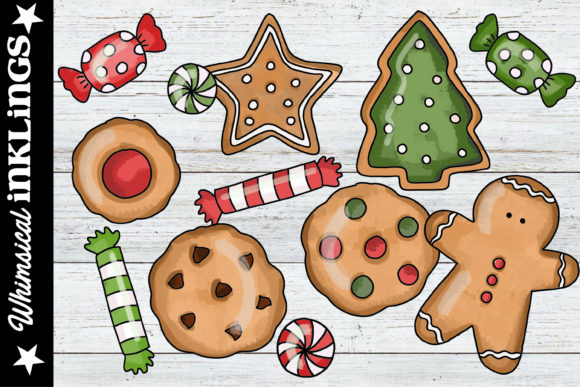
The mood of Christmas Sweets is undeniably cozy. It captures that specific nostalgic feeling of a bakery window in December. The layout suggests a balanced composition, likely relying on a mix of satin stitch for smooth outlines and fill stitch areas to give body to the sweets. For a designer, this combination is crucial. Pure running stitch can look too sketchy on thick garments, while overly dense fill can make small details stiff. From what I can see, this design seems to strike a middle ground, making it versatile enough for both delicate baby embroidery and robust custom apparel.
The color palette implied by the theme suggests rich reds, creamy whites, and perhaps some mint greens or chocolate browns. This is where your choice of thread colors becomes critical. If you are using this for a handmade product intended for sale, do not rely on default machine threads. Swatching your threads against the actual fabric is non-negotiable. A design like this lives or dies by its contrast. On a dark navy hoodie, you might need to adjust the shading to ensure the "sweets" pop rather than disappear into the background.
Real-World Application: The Holiday Tote Scenario
Let's walk through a real case scenario. Imagine a client comes to your craft business wanting a set of five matching tote bags for their family's Christmas gift exchange. They want something festive but not childish. Christmas Sweets fits this brief perfectly. Here, the design acts as a focal point on a canvas or cotton twill bag.
In this situation, the hoop size matters immensely. If the design is large, you are safe. However, if you are attempting to shrink it to fit a pocket-sized placement, you risk losing the integrity of the smaller elements. Before committing to the final five bags, I would strongly advise stitching a test run on a scrap piece of the exact same fabric. Pay close attention to the corners of the sweets. Are they sharp, or does the needle punch through and blur the edges? If the stitch density is too high for the weave of the tote fabric, you might experience puckering. Using a cut-away stabilizer here would be my go-to recommendation to maintain shape over time, ensuring the finished product looks professional even after being stuffed with groceries.
Apparel and Textured Fabrics
Moving from totes to wearables, let's consider sweatshirt embroidery. Fleece and French terry are popular choices for holiday gear, but they are tricky. The loops in the fabric can swallow fine details. If Christmas Sweets includes tiny decorative accents or simulated sprinkles, these might get lost in the texture of a heavy fleece. In this context, the design works best when scaled up slightly to allow the stitches to bridge the gaps in the fabric texture.
For a smoother surface, like a structured cap or a denim apron, the design should perform beautifully. The rigid surface of a cap front provides a stable base, though you must be mindful of the curve. Digitizing for curved surfaces often requires pull compensation, which may or may not be optimized in the original digital embroidery file. If you notice the design pulling to one side during your test stitch, you may need to edit the file or adjust your stabilizer strategy, perhaps using a water-soluble topping to keep the stitches sitting on top of the fabric rather than sinking in.
Commercial Viability and Brand Consistency
For Etsy sellers and boutique owners, consistency is key to building trust. If you plan to use Christmas Sweets across a range of products—say, a pillow cover, a kitchen towel, and a onesie—you need to ensure the scaling remains consistent relative to the item size. A design that looks perfect on a 15-inch pillow might look overwhelming on a baby bib.
This design has strong potential for commercial embroidery projects because it taps into a universal holiday theme without being overly specific to a single year or trend. It adds value to a plain garment, turning a twenty-dollar tee into a forty-dollar personalized gift. However, buyer engagement relies on presentation. When creating your printable mockup or product photos, ensure the lighting highlights the texture of the stitches. Customers buying online want to "feel" the quality through the screen. Showing close-ups of the satin edges and the clean backside of the stitching can significantly boost conversion rates.
Critical Considerations for Execution
While Christmas Sweets is a delightful choice, there are areas where caution is required. If you are working with stretchy fabrics like jersey knits for baby embroidery, the density of the fill stitches could restrict the fabric's natural give, leading to discomfort or distortion after washing. Always test the stretch recovery after stitching.
Furthermore, be wary of dark fabrics if the design relies on light thread colors. Without a proper underlay or a white base layer, the dark fabric can show through the stitches, muting the vibrancy of the sweets. This is a common pitfall in holiday embroidery where reds and greens are dominant. Additionally, if the design includes any simulated lettering or very fine lines, verify that your machine's needle size is appropriate. A size 75/11 needle might be too thick for intricate details, causing perforation issues.
Final Verdict and Designer Notes
Ultimately, Christmas Sweets feels like a reliable workhorse for the holiday season. It bridges the gap between playful and polished, making it suitable for a wide array of design assets in your portfolio. Whether you are creating an embroidered patch for a jacket or a central motif for a table runner, the design holds up well under scrutiny.
Before you launch this into production, remember these practical steps:
- Test on scrap fabric: Never skip this, especially with new files.
- Check thread contrast: Ensure your thread chart matches the intended fabric color.
- Review stitch density: Look for areas that might be too heavy for lightweight materials.
- Confirm licensing: Since this is a commercial consideration, double-check the terms regarding selling finished items versus digital redistribution.
- Inspect small details: Zoom in on the preview to catch any potential travel stitches that might need manual editing.
By approaching Christmas Sweets with a critical eye and a solid testing protocol, you can ensure that your small shop product line stands out for its quality and charm. It is a design that, when executed with care, brings a sweet touch of professionalism to your holiday offerings.