Holly Jolly Christmas Ornaments: A Designer's Review
As we approach the peak season for holiday crafting, the pressure to find unique, high-quality assets increases. I recently took a close look at the Holly Jolly Christmas Ornaments design within the Illustrations category to see if it holds up under the scrutiny of real-world production. When you are running a craft business or fulfilling orders for an Etsy shop, you cannot afford designs that look good on a screen but fail on the fabric. This review breaks down how this specific asset performs when translated from a digital embroidery file into a tangible, stitched product.
First Impressions and Visual Personality
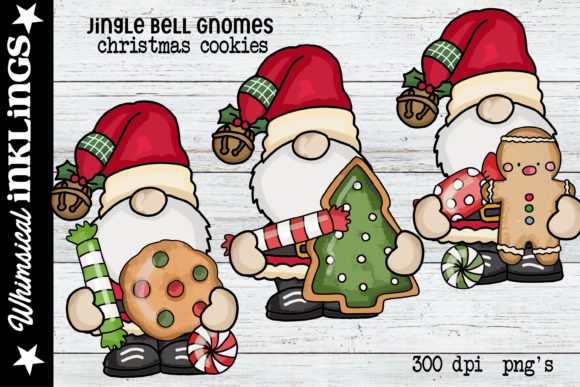
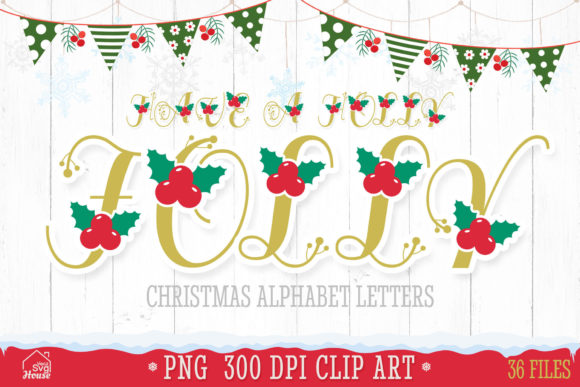
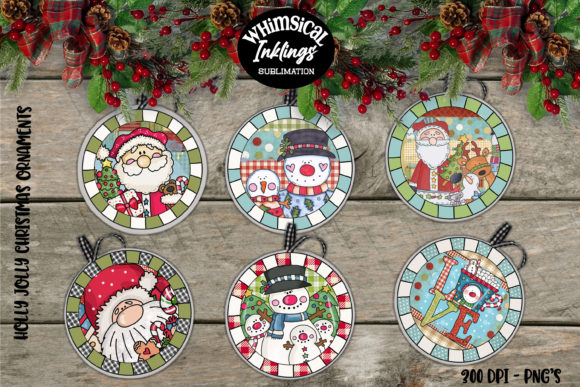
The moment I loaded the preview for Holly Jolly Christmas Ornaments, the mood was immediately clear: nostalgic, cheerful, and classic. Unlike some modern, abstract holiday graphics that rely on minimalism, this design leans into traditional festive imagery. The layout feels balanced, with a visual personality that suggests warmth and celebration. For a designer, the initial check is always about flow and composition. Does the eye move naturally across the shape? In this case, the arrangement of elements creates a cohesive unit that works well as a central focal point.
The detail level appears moderate, which is often the sweet spot for holiday embroidery. It offers enough intricacy to look professional and handmade without becoming a nightmare of thread breaks or excessive run times. The theme is versatile enough to fit various contexts, from a cozy home decor item to a piece of custom apparel. It avoids being too juvenile or too formal, striking a balance that appeals to a broad customer base looking for that perfect personalized gift.
Real-World Application Scenarios
To truly evaluate a machine embroidery design, you have to imagine it on actual goods. I visualized using Holly Jolly Christmas Ornaments on a heavy-weight cotton tote bag. The sturdy fabric would support the stitch density well, allowing the colors to pop against a natural or deep green canvas. This would make an excellent small shop product for a boutique selling eco-friendly holiday carriers.
Another strong contender for this design is sweatshirt embroidery. Imagine a forest-green crewneck with this design centered on the chest. The texture of the fleece combined with the satin stitch and fill stitch elements of the design would create a premium feel. It transforms a basic garment into a statement piece suitable for family gatherings or corporate holiday parties. For those focusing on baby embroidery, scaling the design down for a onesie or a burp cloth could work, provided the smaller details remain distinct after stitching.
I also considered its potential as an embroidered patch. If you are creating merchandise for a craft fair, hooping a twill backing and stitching this design could result in a durable, iron-on accessory that customers love. The illustrative style translates exceptionally well to patches because the defined edges help the design stand out even from a distance. Whether it is used for kitchen towels, pillow covers, or aprons, the design maintains its integrity, adding value to the finished product.
Technical Considerations and Fabric Challenges
While the aesthetic is promising, practical execution requires caution. One area where Holly Jolly Christmas Ornaments needs careful handling is on stretchy fabrics. If you are attempting this on a thin jersey t-shirt, the stitch density might cause puckering if the stabilizer isn't robust enough. Always test the design on scrap fabric first, especially if the material has significant give. A cut-away stabilizer is likely necessary here to maintain the shape of the illustration over time.
Dark fabric presents another variable. If the design relies on specific thread colors that lack contrast against navy or black backgrounds, the details could get lost. I recommend reviewing the thread color list and potentially swapping out shades to ensure visibility. For instance, if there are light green holly leaves, they might need to be brightened when stitched onto a charcoal hoodie. Similarly, curved surfaces like caps require attention. The center of a cap is a small hoop size environment; ensure the design fits comfortably within the available area without crowding the seams or distorting near the brim.
Dense stitch areas are common in illustrations, and while they add richness, they can affect the drape of the fabric. On a lightweight linen tea towel, a very dense fill stitch might make the fabric stiff. In such cases, checking whether the design allows for any adjustment in density or if a running stitch outline could replace some fills is a smart move for maintaining the softness of the handmade product.
Impact on Brand and Customer Perception
The choice of design assets directly influences buyer engagement and brand consistency. Using a high-quality illustration like Holly Jolly Christmas Ornaments signals professionalism. Customers can tell the difference between a pixelated, poorly digitized image and one that has been crafted with care. When a client receives a custom apparel item or a holiday gift featuring crisp stitching and clear details, it builds trust in your brand.
For digital product sellers, the visual appeal of this design in printable mockups is crucial. Before you even stitch a single thread, the mockup needs to sell the dream. This design's classic look photographs well, making it ideal for social media previews and Etsy listings. It evokes an emotional response, reminding buyers of tradition and joy, which drives sales during the competitive holiday season. A well-executed embroidery project enhances the perceived value of the item, allowing you to price your handmade products more confidently.
Essential Notes for the Working Designer
Before committing this design to a client order or adding it to your inventory, keep these practical steps in mind:
- Stabilizer Selection: Match the stabilizer to the fabric texture. Heavier designs often need more support to prevent sagging.
- Thread Contrast: Test the design in black and white mockups first to check for value contrast. Ensure light threads do not disappear on dark garments.
- Hoop Size Verification: Confirm the required hoop size matches your machine's capabilities, especially for larger versions intended for blankets or wall art.
- Detail Inspection: Zoom in on tiny lettering or intricate corners. If elements are too close together, they may merge during stitching.
- Licensing Check: Always confirm the license terms. Verify if the digital embroidery file allows for commercial embroidery projects or if it is restricted to personal use only.
- Wash Testing: If the finished product will be frequently washed, like a kitchen towel or baby item, wash your test sample to ensure the stitches hold and the fabric does not pucker.
In conclusion, Holly Jolly Christmas Ornaments offers a solid foundation for a variety of holiday projects. Its strength lies in its versatile illustrative style and emotional resonance. However, success depends on the maker's attention to technical details like fabric choice, stabilization, and thread selection. By approaching this design with a critical eye and a plan for execution, you can create stunning custom apparel, memorable gifts, and profitable small shop products that stand out in the crowded holiday market.