Christmas Coffee and Cookies: A Designer's Review
As we move deeper into the holiday season, the demand for cozy, relatable designs skyrockets. Every Etsy seller and boutique owner is looking for that perfect graphic to slap on a sweatshirt or tote bag. Today, I am taking a close look at the Christmas Coffee and Cookies machine embroidery design. This isn't just a quick glance at a thumbnail; this is an evaluation of how this specific Illustrations style asset holds up when translated from a digital screen to actual thread on fabric.
The First Impression: Mood and Visual Personality
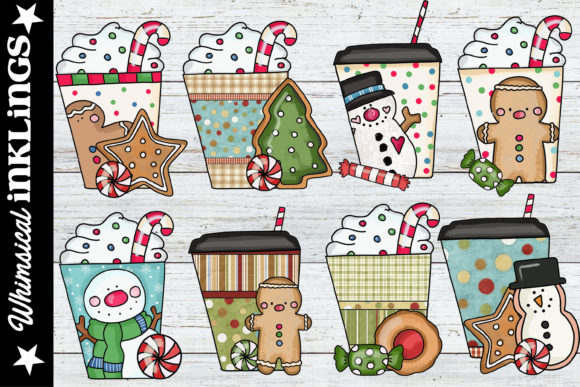
When you first load the preview of Christmas Coffee and Cookies, the immediate feeling is warmth. In a market saturated with aggressive red-and-green Santa motifs, this design offers a quieter, more intimate vibe. It speaks to the "hygge" trend that has taken over home decor and apparel. The layout suggests a hand-drawn aesthetic, likely utilizing a mix of running stitch for outlines and fill stitch for the richer areas like the cookie dough or the steam rising from the mug.
For a designer, the visual personality here is crucial. It feels less like a corporate logo and more like a sketch from a winter morning journal. This makes it incredibly versatile. It doesn't scream "commercial product"; it whispers "handmade with care." That distinction is vital when you are trying to build trust with customers who value authenticity over mass production. The balance between the coffee cup and the cookies creates a natural focal point without feeling cluttered, which is often a pitfall in holiday embroidery file collections.
Real-World Application: Where This Design Shines
Let's get practical. Where does Christmas Coffee and Cookies actually work best? I envision this design living primarily on custom apparel and home goods. Imagine a heather grey French terry sweatshirt embroidery project. The soft texture of the fleece pairs beautifully with the illustrative nature of the design. It would also be stunning on a natural canvas tote bag design, perhaps using earthy thread tones like mocha, cream, and forest green to enhance the organic feel.
For those running a small shop product line, this design is a goldmine for holiday gifts. It fits perfectly on kitchen tea towels or aprons. Because the theme is universal—everyone loves coffee and treats during the holidays—it appeals to a broad demographic. You aren't limiting your customer base to people who love specific characters; you are targeting a lifestyle. It also works well as a personalized gift. Adding a monogram underneath or integrating a name into the handle of the mug could elevate this from a standard stock design to a bespoke item.
If you are a digital product seller, this asset is excellent for creating printable mockup previews. The clear lines and distinct shapes translate well into digital presentations, helping potential buyers visualize the finished product before they commit to a purchase. Whether you are selling the physical embroidered item or the digital embroidery file itself, the presentation potential is high.
Technical Considerations and Fabric Challenges
However, no design is without its challenges, and a professional review must address the technical realities of stitching Christmas Coffee and Cookies. Since this falls under the Illustrations category, it likely contains fine details. This is where your choice of fabric and stabilizer becomes critical.
If you are attempting this on a textured fabric, like a waffle knit or a heavy wool blend, you might lose some of the finer definition. The stitch density needs to be appropriate for the material. On stretchy fabrics, such as jersey knits for baby clothes, you must ensure you are using a cut-away stabilizer to prevent distortion over time. A baby embroidery project requires extra attention to comfort; ensure there are no harsh backing edges left inside the garment that could irritate sensitive skin.
Curved surfaces present another hurdle. If you plan to put this on a cap or a structured hat, the center of the design (likely the coffee cup) needs to sit flat. If the design is too wide for the front panel of a standard cap, the edges might wrap around awkwardly. Always check the hoop size requirements against your specific hoop capabilities. Just because a file exists doesn't mean it fits every machine's maximum area.
Dark fabrics require careful thread selection. If the design relies on light threads for the steam or cookie highlights, ensure you have high-quality rayon or polyester threads that offer enough sheen and coverage to pop against black or navy backgrounds. A test run on scrap fabric is non-negotiable here. Check the contrast. Does the white steam disappear into a dark grey hoodie? Adjust your thread chart accordingly.
Impact on Brand Value and Customer Perception
Using a design like Christmas Coffee and Cookies affects more than just the look of the item; it impacts your brand consistency. For craft business owners, the quality of your embroidery reflects the quality of your entire operation. Sloppy stitching on a detailed illustration can ruin customer trust. Conversely, a crisp, clean execution of this design signals professionalism.
This design aids in buyer engagement because it tells a story. It evokes a feeling of slowing down, enjoying a treat, and embracing the season. When a customer sees this on a pillow cover or a patch, they aren't just buying thread on cloth; they are buying that cozy moment. This emotional connection drives sales, especially for commercial embroidery projects aimed at the gift market.
Furthermore, the versatility allows for consistent branding across different products. You can use the same design on a mug cozy, a tote bag, and a tee, creating a cohesive collection for your small shop product lineup. This consistency helps with recognition, making your brand memorable in a crowded marketplace.
Final Designer Notes and Best Practices
Before you commit to a production run of Christmas Coffee and Cookies, here is my checklist for ensuring success:
- Test First: Always stitch out a sample on the exact fabric you intend to sell. Fabric texture changes how stitches lay.
- Check Density: Inspect the satin stitch areas. If they are too dense, they may cause puckering; if too light, the fabric might show through.
- Review Details: Look closely at the tiny elements, like crumbs or steam wisps. Ensure they are large enough to stitch cleanly without breaking threads.
- Stabilizer Strategy: Match your stabilizer to the fabric weight. Heavy items need support; light items need flexibility.
- Licensing Verification: Confirm the license terms. Can you sell the finished product? Can you sell the file? Never assume; always read the agreement provided with the download.
- Color Contrast: Test the design in black and white mentally or via software to ensure the values separate well, guaranteeing visibility even from a distance.
In conclusion, Christmas Coffee and Cookies is a strong contender for your holiday catalog. It balances artistic charm with commercial viability. While it demands respect for technical details like hoop size and fabric compatibility, the payoff is a product that feels personal, professional, and perfectly timed for the season. Whether you are an experienced decorator or a hobbyist making gifts for family, this design offers a delightful way to celebrate the holidays through the art of embroidery.