Merry Christmas Mama, Messy Bun: A Designer's Review
As a designer who spends more time staring at stitch maps than most people spend watching television, I approach every new machine embroidery design with a healthy dose of skepticism. We have all seen the trend of "messy bun" graphics paired with holiday slogans flood the market, but seeing a pixelated preview on a screen is vastly different from watching a needle punch through fabric. When I first pulled up the Merry Christmas Mama, Messy Bun file, my immediate reaction was one of cautious optimism. The illustration style promises a relaxed, modern vibe that fits perfectly with current boutique trends, but the real test lies in how this digital embroidery file translates into a tangible, high-quality finished product.
First Impressions and Visual Personality
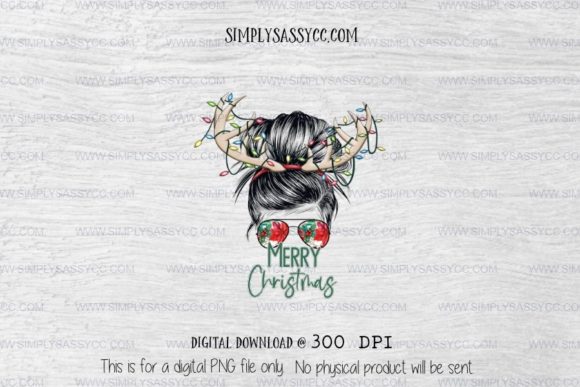
The initial layout of Merry Christmas Mama, Messy Bun strikes a balance between whimsical and structured. Unlike some chaotic hand-lettering fonts that can become a tangled mess under high-speed stitching, this design appears to have clear separation between the text and the graphic element. The "messy bun" motif is rendered in a way that suggests texture without demanding an excessive number of color changes, which is crucial for maintaining production efficiency in a craft business. The mood it creates is undeniably cozy and relatable, targeting that specific demographic of mothers who want to celebrate the holidays without pretending to be perfect. For an Etsy seller or small shop owner, this visual personality is gold; it speaks directly to the customer's desire for authenticity.
From a technical standpoint, the flow of the lines suggests a mix of running stitch for finer details and potentially satin stitch or light fill stitch areas for the bun itself. This combination is generally favorable because it reduces bulk while still providing visual weight. However, the success of any illustration in thread form depends heavily on how well the digitizer has accounted for pull and distortion. My first impression is that this design would shine on medium-weight fabrics where the stitches can sit proudly without sinking in or causing excessive puckering.
Real-World Application: The Holiday Tote Scenario
To truly evaluate the potential of Merry Christmas Mama, Messy Bun, I imagined a specific real-life scenario: producing a run of custom canvas tote bags for a local holiday market. Canvas is a forgiving yet textured fabric, making it an excellent testing ground. In this context, the design works exceptionally well as a central focal point. The relaxed nature of the "messy bun" graphic complements the casual utility of a tote bag. If you were to place this on a structured sweatshirt embroidery project, the result would likely be a best-seller for boutique clothing lines. The design does not feel overly formal; it feels like something a customer would wear to a Christmas morning brunch or while wrapping gifts.
For those creating personalized gifts, such as matching family pajamas or aprons for the kitchen, this design offers a versatile template. It is distinct enough to stand alone but simple enough to be paired with a name or date if the hoop size permits. The key here is the relatability factor. Customers are increasingly drawn to handmade products that reflect their actual lives rather than idealized versions of them. This design captures that spirit, potentially boosting buyer engagement and brand loyalty for creative entrepreneurs who use it wisely.
Navigating Fabric Challenges and Stitch Density
While the aesthetic is strong, practical application requires vigilance regarding fabric choice. If you are planning to use Merry Christmas Mama, Messy Bun on stretchy fabrics like jersey knits for baby embroidery or t-shirts, you must proceed with caution. The density of the stitches in the bun area could cause the fabric to pucker if the proper stabilizer is not used. I always recommend testing the design on a scrap piece of your intended fabric first. This is non-negotiable. What looks crisp on a stabilizer sheet might distort on a thin, stretchy material.
Furthermore, consider the background color. This design likely relies on contrast to make the text legible. On dark fabrics, you may need to adjust the thread colors or ensure the digitizer has included an underlay that prevents the fabric from showing through the lettering. Small details, such as the ends of the hair strands or the curves of the letters, can get lost if the stitch density is too high for the thread weight being used. If you are working with a smaller hoop size, ensure that the scaling of the design does not compromise the clarity of the tiny elements. Shrinking a complex illustration too much can turn distinct lines into a solid blob of thread.
Commercial Viability and Brand Consistency
For commercial embroidery projects, consistency is everything. If you are selling this as part of a small shop product line, every unit needs to look identical. The Merry Christmas Mama, Messy Bun design seems robust enough for repeated production, provided your machine tension is dialed in. Using this design can enhance your brand's perception as being trendy and attuned to modern parenting culture. However, it is vital to verify the licensing terms before selling finished items or printable mockups. Not all design assets are cleared for commercial use, and violating these terms can jeopardize your business reputation.
When evaluating the product value, consider the perceived effort versus the actual stitch count. A design that looks intricate but stitches out quickly offers a higher profit margin. If this illustration achieves a high-end look with efficient stitching, it becomes a valuable tool in your arsenal. It adds a layer of professionalism to custom apparel and home decor items like pillow covers or tea towels. The "messy" theme ironically requires precise execution to look intentional rather than sloppy, so your stitching quality must be top-notch to maintain customer trust.
Final Verdict for the Practical Maker
In conclusion, Merry Christmas Mama, Messy Bun is a compelling option for designers looking to capture the relaxed holiday spirit. Its strength lies in its relatability and its adaptability across various embroidery projects, from embroidered patches to full-back sweatshirt designs. However, its success depends entirely on the executor's attention to detail. Do not skip the test stitch-out. Check the thread color contrast against your specific fabric texture. Ensure your stabilizer choice matches the garment's weight. If you treat this embroidery file with the respect it deserves, acknowledging both its artistic charm and its technical requirements, it can be a standout addition to your holiday collection. Always confirm the specific file formats and machine compatibility provided by the creator, as these details vary. With careful handling, this design has the potential to be a festive favorite for your customers.